Conversations on science communication - Boosting science beyond the lab
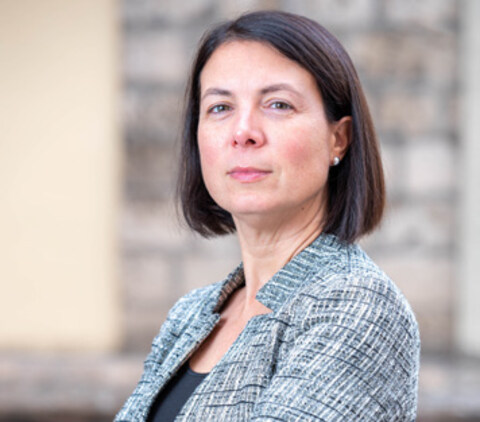
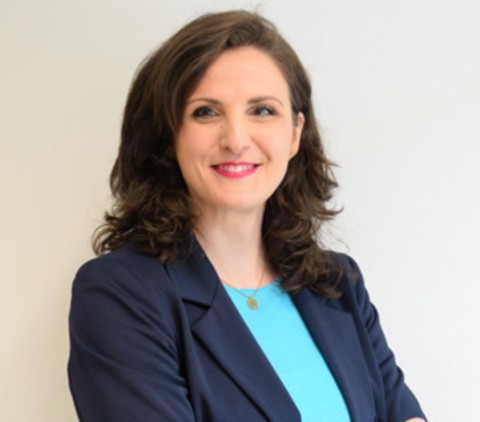
Research has the power to shape society, but too often, promising results remain within academic circles. The European Commission’s Booster initiative, implemented by META Group, helps bridge this gap by turning research outputs into practical outcomes that benefit people, businesses, and policymakers. In this interview, Coordinator Alessia Melasecche Germini and Project Manager Rosellina Di Santo share how the Booster supports EU-funded projects in transforming their findings into lasting impact, strengthening visibility, innovation, and trust in science.
What is Booster, and how does it support EU-funded projects?
Booster is an initiative of the European Commission’s Directorate-General for Research and Innovation, created to maximise the impact of EU-funded projects and to support in turning research results into tangible benefits for society and the economy. It provides free-of-charge services that help projects strengthen their dissemination and exploitation activities.
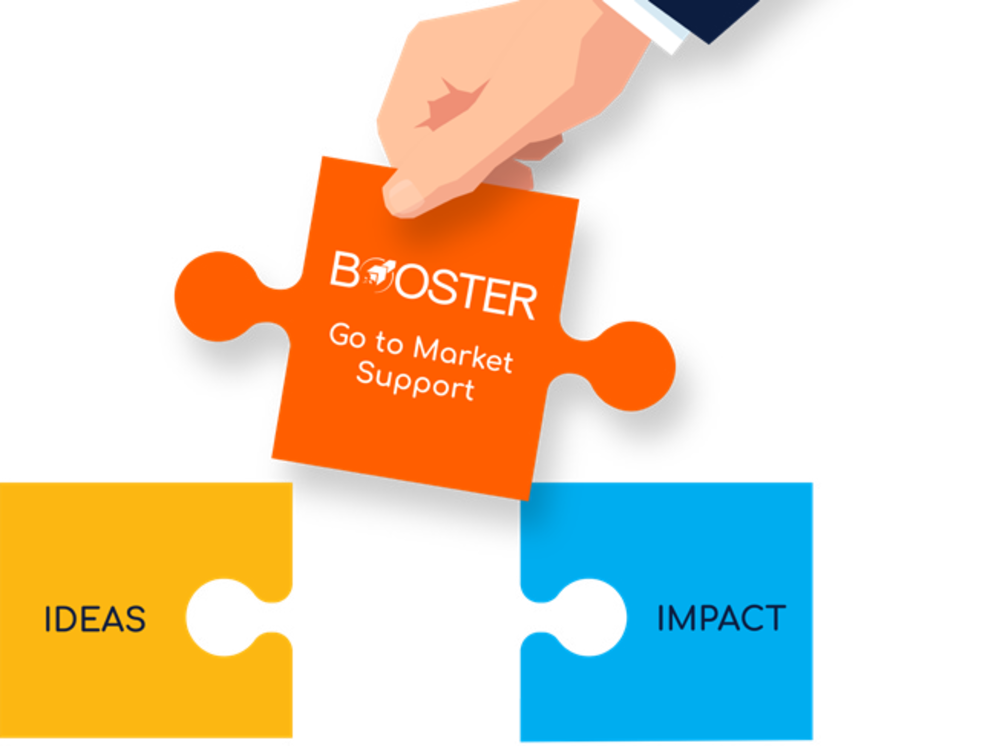
The initiative addresses a long-standing challenge in research: many excellent projects stop at publication and never reach the people, industries, or policymakers who could use them. Booster helps bridge this gap by supporting both the dissemination of results (how they are shared) and their exploitation (how they are applied or used) so that knowledge can create real societal and economic value.
Booster offers tailored dissemination and go-to-market support, guided by dedicated mentors who help project teams identify and combine the most relevant services to enhance impact.
What are the main updates introduced in 2024 in Booster?
In 2024, Horizon Results Booster was rebranded and upgraded as Booster, introducing a redesigned structure and expanded services to better meet the needs of EU-funded research projects. The update reflects a more user-centred, flexible, and impact-oriented approach.
One of the key improvements is the structured Booster journey, which starts with an initial consultation session to assess each project’s needs. A new follow-up phase ensures continued support after service delivery, helping teams put recommendations into practice.
The updated Booster also introduced a wider range of Add-on Services, including Networking, Portfolio Analysis, Intellectual Assets Management, Coaching for Public Speaking, and Audio-Visual Support. These allow research teams to access more specialised, targeted guidance depending on their project’s maturity and goals.
Together, these enhancements make Booster more adaptive and comprehensive, enabling projects to strengthen both their technical capacity and strategic vision for long-term impact.
How can Booster help MSCA fellows and smaller projects reach wider audiences?
MSCA projects often produce high-quality research at an early stage but may lack the tools or experience to move beyond academia. Booster addresses this gap through tailored, hands- on support that helps researchers turn their results into outcomes with societal, economic, or policy relevance. So far, 47 MSCA projects have benefited from these services.
The Go-to-Market service builds research teams' capacity to explore exploitation paths. Even when results are not yet ready for commercialisation, it guides how to plan for the next steps and identify potential partners for further development. Acting as a bridge between academic excellence and real-world application, Booster gives projects the strategic guidance and tools to ensure their work achieves lasting impact.
Could you share examples where Booster made a clear difference?
There are already several examples of how Booster has helped projects move closer to impact. For instance, projects such as Mediterranean Practitioners’ Network Capacity Building for Effective Response to Emerging Security Challenges (MEDEA) and Towards a More Automated and Optimised Maintenance, Renewal and Upgrade of Roads by Means of Robotised Technologies and Intelligent Decision Support Tools (OMICRON) successfully applied Booster tools and methodologies during their service delivery.

MEDEA works with networks of security practitioners in the Mediterranean and Black Sea regions to address challenges such as migration, border management, cross-border crime, and natural disasters. Booster supported the project to identify exploitation paths and implementation gaps. Following its completion, MEDEA’s network continued to collaborate and contributed to updating the Mediterranean Security Research and Innovation Agenda, directly influencing policy.
OMICRON used the Booster’s Go-to-Market support to develop a more robust strategy for bringing its innovations to market. Through market analysis and exploitation planning, the team identified a clear niche and refined its approach to align with stakeholder needs. The support improved the project’s readiness for real-world application and long-term sustainability.
How does Booster measure the effectiveness of its support?
Booster continuously monitors and evaluates its effectiveness through a structured mentoring and feedback process. Each applicant works with a dedicated mentor who oversees the service delivery, ensuring quality and timely implementation.
What lies ahead for Booster in a changing research landscape?
Looking ahead, Booster is well-positioned to evolve alongside key trends shaping research and innovation in Europe. By supporting dissemination and exploitation, it helps build a more impact-oriented research culture.
Its tailored services not only address the varied needs of project teams but also strengthen their capacity to embed impact-driven thinking into research from the outset. This approach will deepen in the coming years, reinforcing the importance of generating tangible societal value from research.
Booster’s multidisciplinary perspective and emphasis on long-term societal and environmental benefits will continue to grow, contributing to the EU’s vision of open, inclusive, and responsible research that serves both people and the planet.
Interviewees
Alessia Melasecche Germini
META Group
Rosellina Di Santo
META Group
Interviewer
Srishti Goyal
MCAA Newsletter Editorial Board